
Management services
Financial optimization of your rental chalet
A profitable rental chalet isn’t just a chalet that gets booked often. It’s a chalet rented at the right price, at the right time, to guests who make the most of it. Between the season, local events and what other properties are offering, the fair price of a night changes constantly. Setting it once and for all often means leaving money on the table.
I am interested / request informationWith the financial optimization service from Chalets Foressence, your rates are managed dynamically based on the season, events and the market, to maximize your property’s return. We also work to optimize your occupancy rate, you receive a monthly report of your results and you have immediate access to your rentals. Here is how this approach works, and what it changes for a chalet owner in Lac-Mégantic and the Eastern Townships.
How dynamic pricing works for a rental chalet
Dynamic pricing means adjusting the price of a night according to expected demand, instead of charging the same rate all year. Hotels and airlines have used this principle for a long time, and it applies just as well to your chalet.
At Chalets Foressence, managing your rates takes three main factors into account: the season, events and the market.
A price that changes with the season
In a vacation region like ours, demand is not the same in midsummer, during the fall colours, in the depths of winter or in spring. School holidays, long weekends and weekends in general draw more travellers than weeknights in the low season.
A rate adjusted to the season lets you make the most of busy periods without discouraging bookings when demand drops.
The effect of local events
Festivals, sporting competitions, shows, cultural activities: when an event draws people to the area, available accommodation becomes scarcer. We take events into account when managing your rates, so your chalet is offered at a price that reflects this higher demand.
The market and comparable properties
The price of a night is also judged by comparison. Travellers look at several chalets before choosing: capacity, location, water access, amenities and the condition of the property all influence what they are willing to pay.
Following the market means making sure your rate stays consistent with what your chalet actually offers.
Maximizing rental chalet profitability without sacrificing bookings
A rate that is too high leaves nights empty. A rate that is too low fills the calendar, but brings in less revenue and sometimes wears the chalet out faster. Profitability lies in the balance between these two extremes.
Price and occupancy, two linked levers
A chalet’s revenue depends on both the average price per night and the number of nights rented. Raising one at the expense of the other doesn’t necessarily improve the result.
That’s why financial optimization looks at both together: rates adapted to each period and an occupancy rate optimized throughout the year.
Quieter periods count too
Weeknights and shoulder seasons are often overlooked. Yet every empty night is lost income. A well-adjusted rate for these periods can attract travellers with more flexibility, such as remote workers, retirees or families enjoying time off.
Costs to keep in mind
Profitability isn’t just about revenue. Maintenance, supplies, insurance, taxes, electricity, heating and repairs are all part of the picture. Owners benefit from knowing their fixed and variable costs to judge their chalet’s real return.
Also note that a lodging tax applies to short-term rentals in Quebec, and that rental income has tax implications. An accountant can advise you based on your situation.
Optimizing your chalet’s occupancy rate all year
The occupancy rate measures the share of available nights that are actually rented. It’s a simple indicator, but it depends on several factors you can act on.
Being visible at the right time
A chalet nobody finds doesn’t get rented. Visibility on rental sites, photo quality and advertising play a big role in occupancy. That’s the work of our listing and advertising service, which complements financial optimization.
A calendar without needless gaps
Short gaps between two bookings are hard to fill. In general, carefully adjusting rates and lengths of stay helps limit these isolated nights, especially in high season, when every night has value.
Satisfied guests who come back
Reviews left by guests influence future bookings. A clean, well-equipped and well-managed chalet earns better reviews, which reassures the next travellers.
The quality of cleaning, supplies and guest communications therefore also affects your occupancy rate.
Seasonality of chalet rentals in Lac-Mégantic and the Eastern Townships
The Lac-Mégantic area attracts travellers in every season. Understanding these rhythms helps set realistic expectations and make the most of each period.
Summer and fall
Summer is the season for lakes, water activities, cycling and family getaways. Fall draws hikers, leaf peepers and travellers looking for peace and quiet.
These periods are often the most sought after for a waterfront or forest chalet.
Winter and spring
Winter brings travellers drawn by downhill sports, snowshoeing, cross-country skiing and evenings by the fireplace. Spring is often quieter, which makes it a period when a well-adjusted rate makes the difference.
It’s also a good time for maintenance, as our spring chalet maintenance checklist shows.
Planning your own stays
Many owners want to enjoy their chalet at certain times. Choosing your dates in advance lets you balance personal use and rentals. Keeping in mind that the most popular periods are also the most profitable helps you make informed choices.
Tracking your chalet’s revenue: monthly report and access to your rentals
Handing over your chalet doesn’t mean losing track. Each month, you receive a report of your results, and you have immediate access to your rentals.
A monthly report of your results
The monthly report lets you know how your chalet is doing without having to compile the numbers yourself. You keep a clear view of your property’s performance, month after month.
Useful indicators for an owner
In general, owners benefit from tracking a few benchmarks: the number of bookings, nights rented, revenue and how they change from one season to the next.
Comparing the same period from one year to the next is often more telling than comparing two different months, since demand varies a lot with the season.
Your rentals accessible at any time
You have immediate access to your rentals, so you can see your chalet’s bookings whenever you want. It’s useful for planning your own stays, scheduling work or simply following your property’s activity.
Financial optimization as part of turnkey chalet management
Financial optimization works best when the rest of the management follows. At Chalets Foressence, it’s part of a turnkey service designed for owners who want to rent their chalet without handling everything themselves.
Rates, bookings and guests in one place
Well-adjusted rates are only worth something if requests are handled and guests are well received. Our reservation management service handles information requests, guest screening, the rental contract and the collection of deposits and payments, with an online calendar and pricing.
A chalet that justifies its price
The layout also influences what travellers are willing to pay. A well-organized, pleasant and photogenic chalet stands out from other listings. Our rental layout consulting can help you enhance your spaces.
Let’s talk about your chalet
Every chalet has its own location, capacity and potential. To discuss rates and management terms, the best approach is to talk directly with our team. Contact us to start the conversation.
Frequently asked questions
How are my chalet’s rates set?
Your rates are managed dynamically, based on the season, local events and the market. The goal is to get more out of high-demand periods while keeping your chalet attractive when demand is lower. The starting point depends on your chalet: its location, capacity and amenities. To discuss it in concrete terms, the best approach is to talk with our team.
How much can my chalet earn as a short-term rental?
It’s impossible to answer without knowing your chalet. Revenue depends on location, capacity, amenities, the condition of the property, the season and demand in the area. We prefer not to make promises blindly. Contact our team to talk about your property, its potential and the management terms that would apply.
Can I still enjoy my chalet myself?
Many owners want to keep certain periods for themselves. How you reserve your dates is one of the terms to discuss with our team. A good practice is to plan your stays in advance, knowing that the most popular periods are also the ones that bring in the most. With immediate access to your rentals, you can see the dates already booked at any time.
What do I receive in the monthly report?
Each month, you receive a report of your results, which saves you from compiling the numbers yourself. To learn exactly what it includes, ask our team during your first conversation. In general, owners benefit from tracking their bookings, nights rented and revenue, and from comparing a season with the same season the previous year.
What taxes apply to my rental income?
In Quebec, a lodging tax applies to short-term rentals, and rental income must be reported. Tax rules vary depending on your personal situation, how you own the chalet and how you use it. We recommend consulting an accountant for advice suited to your case. For getting started, our team can also help you with your CITQ certification process.
Our other management services
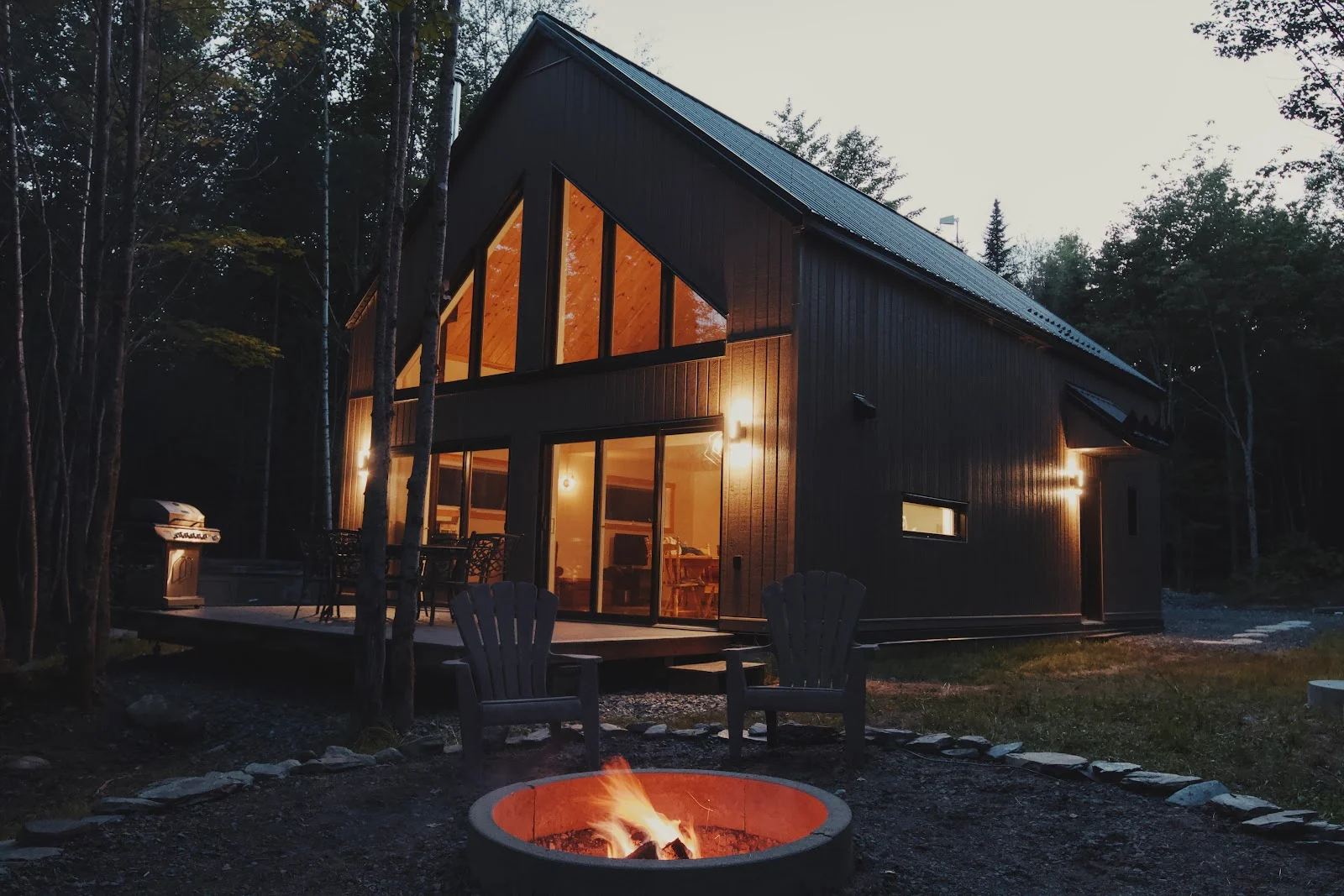 Communication and supportGuest communications before, during and after the stay, end-to-end support, help with CITQ certification and a 24/7 emergency line.
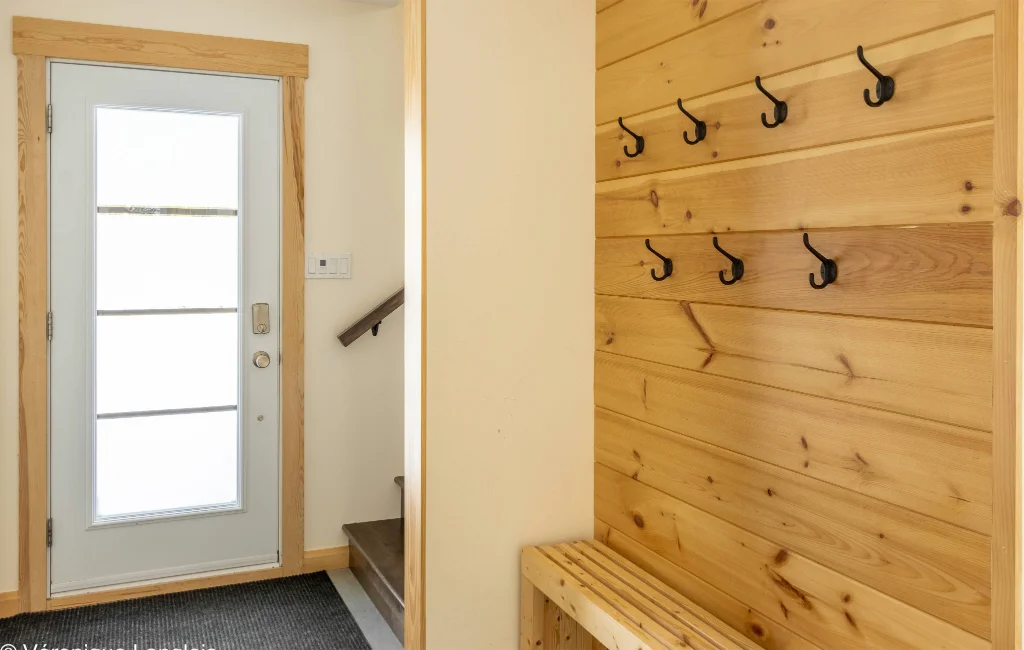 Reservation managementInformation requests, guest screening, contactless check-in, welcome guide, rental contract, payment collection and an online calendar.
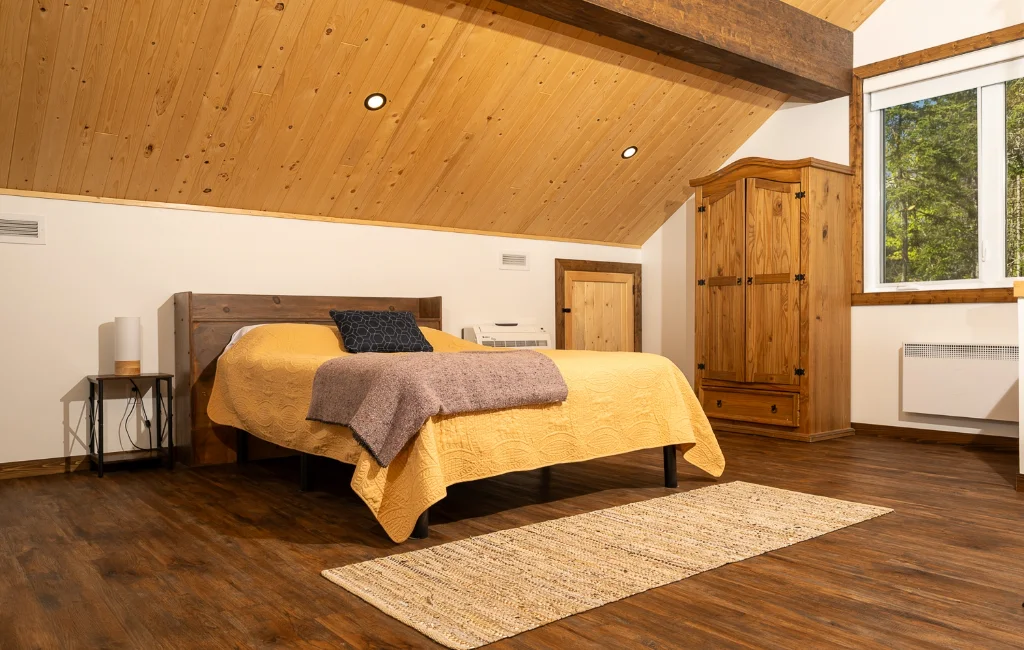 Maintenance and suppliesCleaning between rentals, commercial laundry to hotel standards, welcome products and supplies: your chalet is always ready.
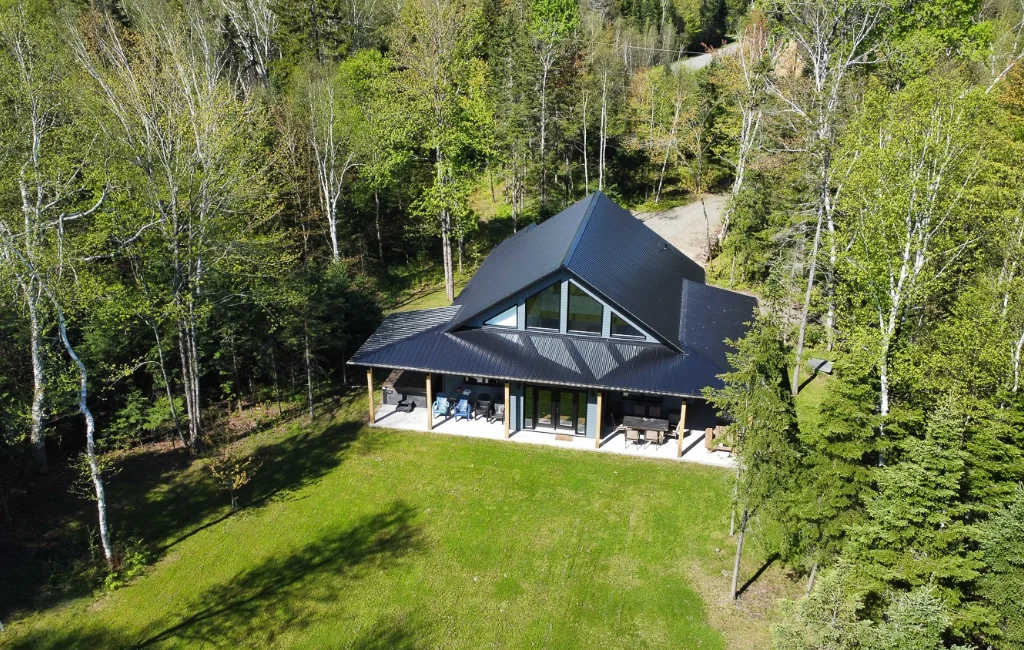 Listing and advertisingAn attractive listing on rental sites, professional photos, Google ads, tourist guides and social media to fill your calendar.
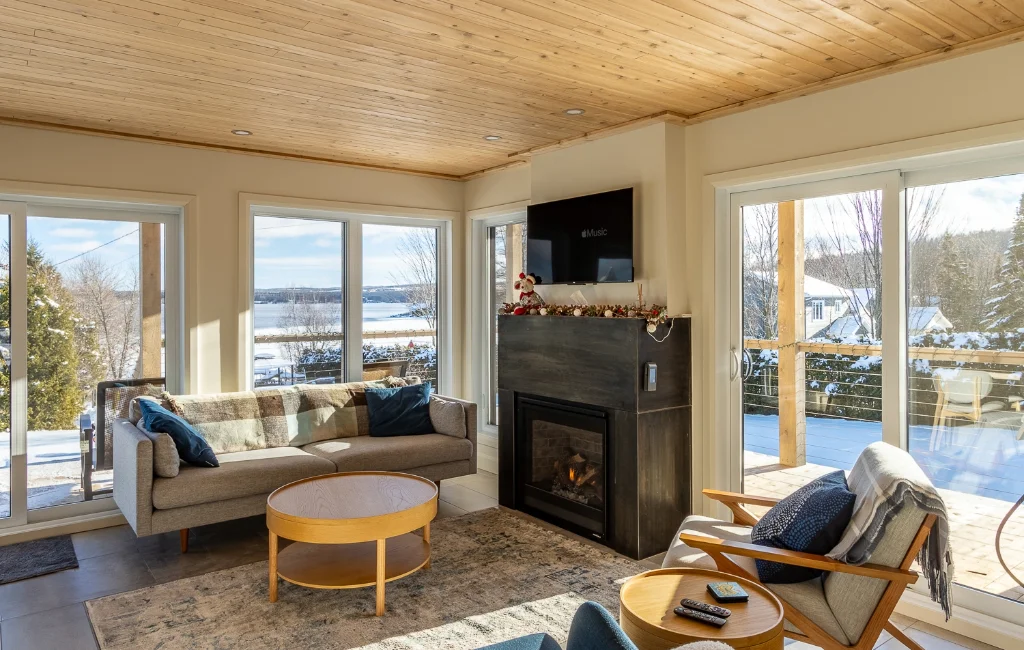 Rental layout consultingOrganizing the space, enhancing every room and a consultation with our interior designer for a rental chalet travellers love.